TCW sees power infrastructure as a longer-run AI play
TCW’s Eli Horton argues that AI-driven demand is only one of three forces boosting US power needs, highlighting grid bottlenecks, rising electricity demand and the TCW Transform Systems ETF as a way to capture the trend.
TCW’s equity portfolio manager Eli Horton told KedGlobal that investors are missing a broader opportunity by treating power infrastructure as a mere byproduct of AI spending. He said AI is one of three converging demand drivers alongside industrial reshoring and electrification of transportation and manufacturing. US electricity demand had been flat for about two decades, but TCW expects it to rise 2% to 3% each year. AI data centers alone could add 80 to 130 gigawatts of incremental US demand by 2030, with onshoring of semiconductors, electric vehicles and batteries adding a similarly large layer. Even if AI capex were cut in half, Horton warned the US would still face its largest load-growth shock in 40 years.
Grid bottlenecks and lead times
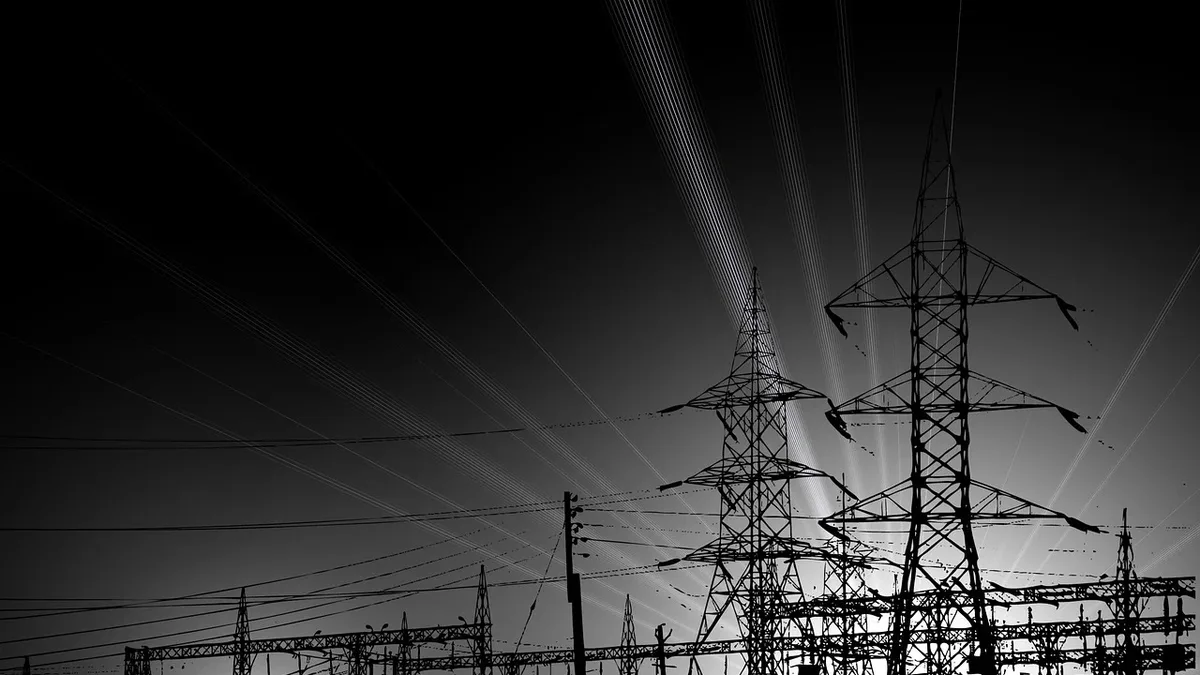
Horton described the grid bottleneck as extending beyond generation to transformers, substations, transmission lines, switchgear, breakers, protective relays, grid software and skilled labor. Lead times for large power transformers have grown from roughly 50 weeks to more than 120 weeks. US domestic capacity satisfies only about 20% of current demand, while heavy-duty gas turbine slots at GE Vernova, Siemens Energy and Mitsubishi are effectively sold out for most of this decade. He noted that around 70% of US transmission infrastructure is older than 25 years, and replacement spending alone could support a decade-plus runway for components before any new data center load is added.
Demand drivers and the TCW Transform Systems ETF
The TCW Transform Systems ETF is the firm’s vehicle for the theme, targeting companies across power generation, transmission, distribution, grid components, natural gas, LNG, automation, power semiconductors and grid-modernization technologies. The fund typically holds 20 to 30 businesses and is actively managed on a three- to five-year horizon. Horton said the goal is to own the highest-conviction expressions of the theme rather than simply buying the trend. The ETF also reflects TCW’s pragmatic view of the energy transition, giving roles to natural gas, solar and nuclear as reliability and security return to the forefront alongside decarbonization. TCW recently added exposure to US LNG exporters such as Venture Global and Cheniere Energy, citing the renewed value of North American gas amid geopolitical disruptions.
TCW perspective and firm scale
Founded in 1971, TCW is a Los Angeles-based asset manager with $206 billion in assets under management or committed to management as of the end of 2025. Fixed income accounts for roughly 80% of its assets, while the firm also runs equities, emerging-markets debt, alternative credit and thematic products tied to AI, supply-chain relocation and energy-transition infrastructure. Horton concluded that electrification, energy security, AI and decarbonization are all pulling in the same direction, creating a sustained backdrop for power-infrastructure investments.