Flipkart Minutes May Double Dark Store Network by 2027
A UBS report suggests Flipkart's quick commerce arm, Minutes, could add 1,000 dark stores by mid-2027, nearly doubling its network.
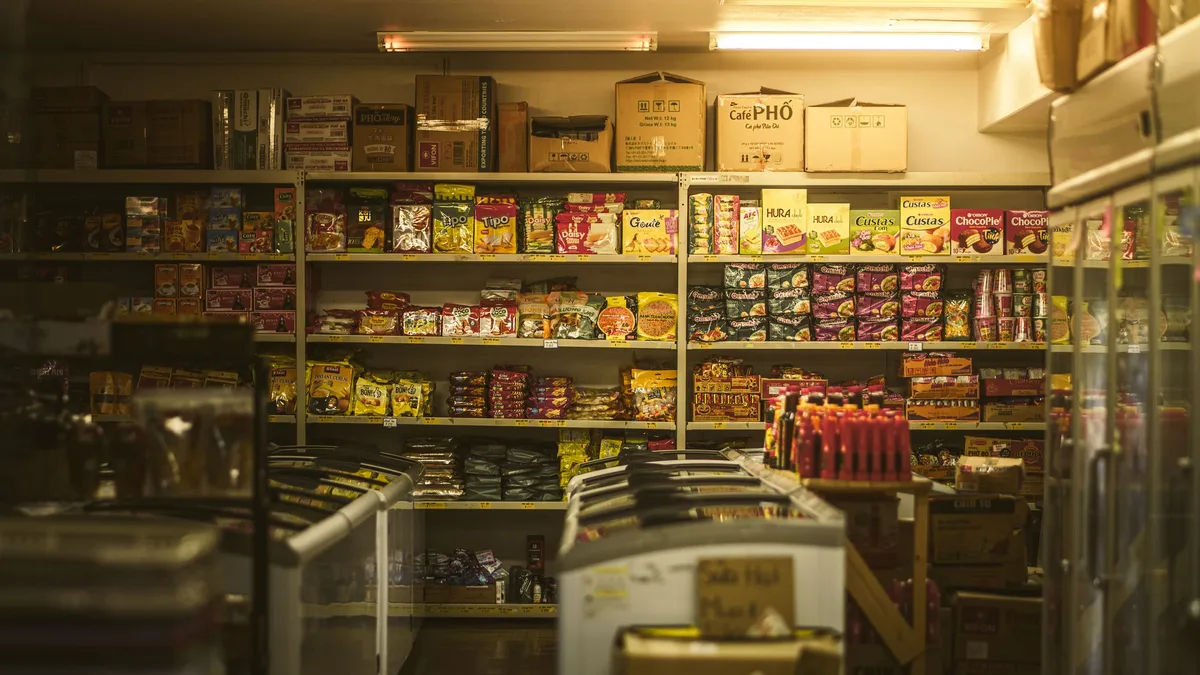
Flipkart's quick commerce service, Minutes, could add another 1,000 dark stores by mid-2027 or its next Big Billion Days sale. This potential expansion, noted in a UBS report citing an industry expert, would nearly double the network to around 2,000 stores and help narrow Flipkart's infrastructure gap with market leader Blinkit.
The rollout would depend on the performance of individual markets and the development of supporting hubs and backend infrastructure. This projection follows Flipkart's June announcement that it had scaled Minutes to 1,000 micro-fulfilment centres across 130 cities and over 8,000 pin codes. At that time, Minutes head Kunal Gupta said the company planned to expand to 1,500 centres across 180 cities.
Operational Performance and Customer Reach
According to UBS, Minutes' stores average 800-1,000 orders per day. Mature stores, operational for five to six months, process around 1,200-1,500 orders daily. The service is being used to bring customers into the Flipkart ecosystem for fresh produce, beauty, personal care, and other immediate-use categories. In locations where Minutes is available, about 40-45% of customers visiting Flipkart also visit the quick commerce platform. Transactions per customer per quarter are reportedly rising as users consolidate more purchases within Flipkart.
Financial Metrics and Market Focus
Minutes' net order value, excluding mobile phones, stands at ₹500-₹530. This nears Blinkit's reported average net order value of ₹518 for the first quarter of the 2027 financial year. Including mobile phones, Minutes' order value is estimated to be higher than Blinkit's, reflecting Flipkart's strength in mobiles and electronics.
Metro cities currently generate around 60-65% of demand on Minutes. The platform is seeing traction in Kolkata and Tier II and III cities in eastern India, while south India is scaling rapidly. In non-metro markets, Minutes operates across larger delivery areas where customers are more willing to accept delivery times of 25-30 minutes. UBS said Flipkart's existing ecommerce customer base and regional demand data help it identify markets where rivals have a limited presence.
Business Model and Product Expansion
Flipkart primarily manages Minutes' dark stores itself but is increasingly using partners and franchisees for a smaller part of the network. Partners help secure locations, while Flipkart retains control over inventory, assortment, store design, and customer experience. The company is looking to widen the assortment on Minutes and move up the consumption ladder.
In August, Minutes entered the premium grocery and specialty food segment with its private-label brand Pykd, offering products like cheese, coffee, kombucha, ramen, ghee, and oils. The company is also looking to onboard third-party premium brands, initially piloting the offering in Bengaluru to compete with services like FirstClub, Blinkit Gourmet, and Swiggy Instamart's Noice.
The Competitive Landscape
The report contextualizes Minutes' plans within a broader industry expansion. Amazon Now has announced plans to expand its fulfillment network to 300 cities, up from 100. UBS states Amazon Now currently has around 500-600 dark stores and processes 4-5 lakh orders daily, potentially reaching 1,000 stores by the end of 2026. It is available to over 5 crore customers in more than 15 cities including Bengaluru, Delhi NCR, Mumbai, Pune, Hyderabad, Amritsar, and Kochi.
While Zepto has put its IPO plans on hold, it had proposed using ₹1,629 crore from the issue proceeds to set up 1,904 dark stores by the 2030 financial year. Swiggy has said its Instamart's existing network can support more than twice its current gross order value. This expansion race comes as quick commerce platforms move beyond groceries into electronics, beauty, fashion, medicines, and home products, with India's quick commerce market projected to become a $40 billion opportunity by 2030.