Apple Pay Launches in India with Limited Bank Support
Apple Pay launched in India on September 30, 2026, but its initial rollout is restricted to Axis Bank-issued Visa and Mastercard credit cards and lacks UPI support.
Apple Pay went live in India on September 30, 2026, initially supporting only Axis Bank-issued Visa and Mastercard credit cards. RuPay cards and cards from other banks are excluded from this initial rollout. The service is available across iPhone, iPad, and Apple Watch, marking Apple's entry into one of the world's largest digital payments markets.
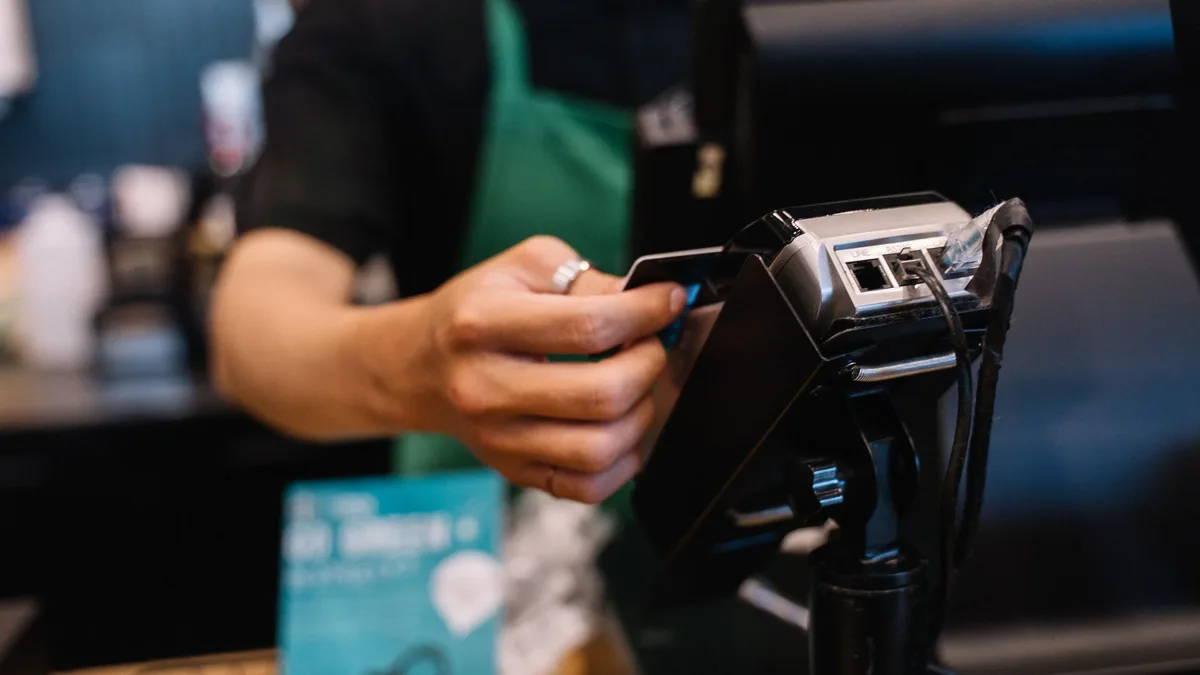
Apple Pay allows users to make contactless NFC payments at physical stores, within apps, and on websites. The system digitises existing credit or debit cards, storing them in the Wallet app. Payments are authenticated using Face ID, Touch ID, or an Apple Watch. The service can be used to pay in full, over time, or with rewards. Apple has partnered with payment service providers including Cashfree, JusPay, Mswipe, Paytm, PayU, Pine Labs, Razorpay, and Worldline to extend acceptance to millions of merchants. Initial merchant partners include Apple Store locations, Blinkit, Chaayos, Croma, Ixigo, Reliance brands, Tata 1mg, and Zomato.
Limited scope compared to global offering
The India version of Apple Pay is narrower than its US counterpart. It lacks support for a wider range of banks and issuers. The US service also includes Apple Cash for person-to-person money transfers, a feature Apple has not announced for India. The restricted bank rollout means Apple will need to expand its partnerships to reach a wider customer base.
Market context and competition
Apple Pay enters a market overwhelmingly dominated by the Unified Payments Interface (UPI). In August 2026 alone, UPI processed 24.51 billion transactions worth ₹29.82 lakh crore. According to the RBI’s Payment System Report from December 2025, UPI accounted for 85.5% of digital transaction volume. The average UPI payment in August was about ₹1,217. Android users comprise around 90% of the mobile phone market. Competitors like Samsung Wallet already offer NFC-based payments, and popular apps such as PhonePe have integrated card-based payment features for Visa and Mastercard users.
Industry perspectives on impact
Analysts view the launch as delayed and limited in its current form. Tarun Pathak of Counterpoint Research said Apple’s entry is late from both a global and competitive standpoint. He pointed to regulatory requirements and India's relatively small installed iPhone base as possible reasons for the delay. Pathak noted that clearing regulatory and technical roadblocks allowed Apple to use its standard global architecture built around NFC card tokenisation.
An industry insider said the service, restricted to Axis Bank with no UPI integration, is unlikely to make a major difference to the fintech sector. The insider questioned whether Apple would ever integrate UPI, citing NPCI’s transaction data storage requirements and Apple's policies of not storing transaction details. The source expects some Apple users to adopt the service for high-ticket purchases but does not see it as a threat to the broader industry.
Amrish Rau, MD and CEO of Pine Labs, had anticipated the service's entry. He argued Apple Pay could shift some transactions towards cards as both credit card payments and UPI continue to grow. Data shows credit card spending rose to ₹23.2 lakh crore in calendar year 2025, up from ₹8.9 lakh crore in 2021, while debit card usage transaction volumes fell 67% in the same period as consumers shifted to UPI for everyday payments.
Apple is in discussions with other major banks, including HDFC Bank and ICICI Bank, though no other partnerships had been finalised at launch.