Simple Energy Launches Wave Scooter for Mass Market
Bengaluru EV startup Simple Energy has launched its Wave electric scooter range, targeting the mass-market commuter segment with an introductory price of
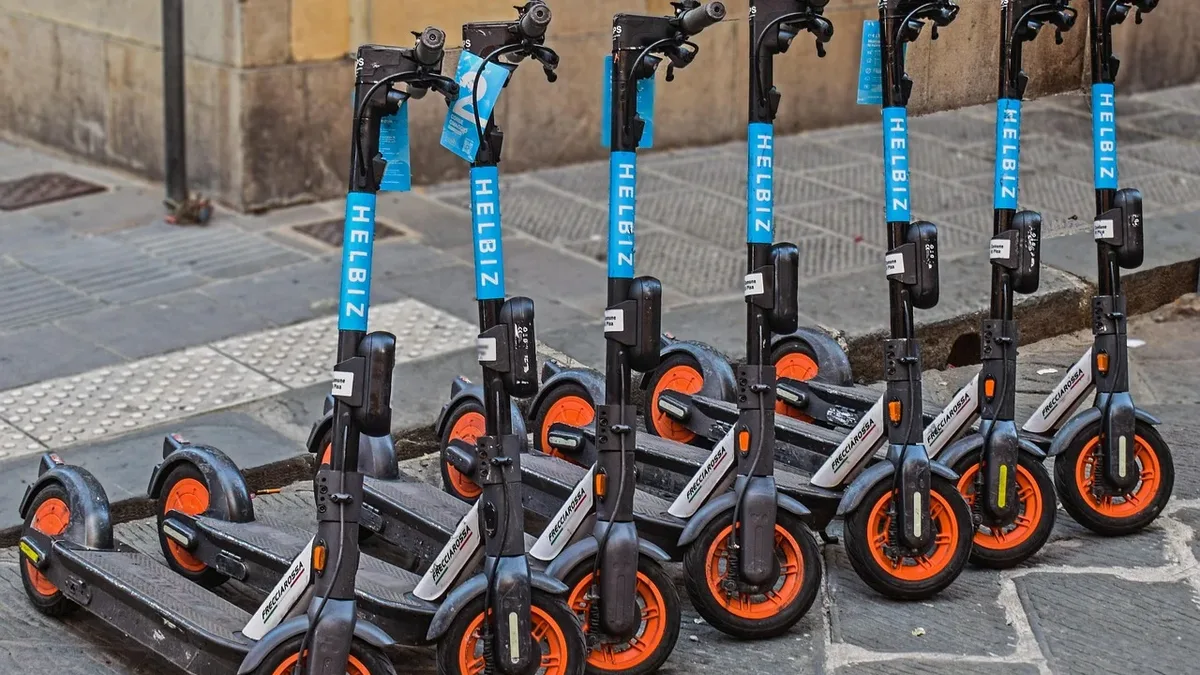
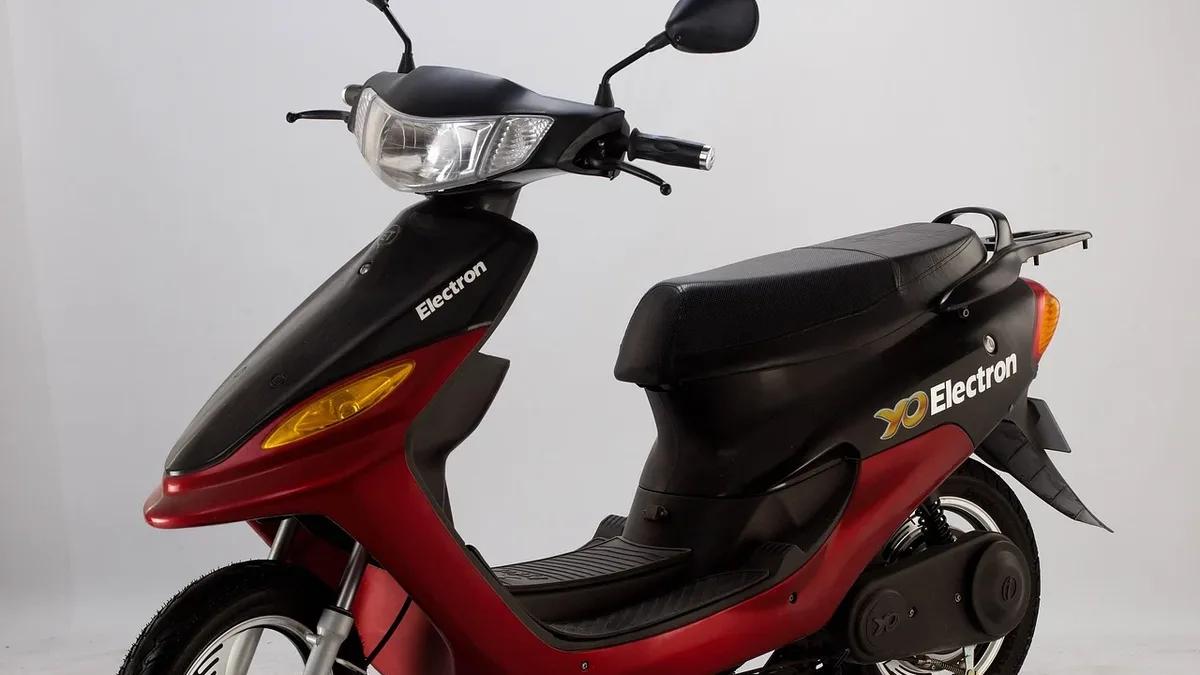
Bengaluru-based electric vehicle startup Simple Energy has launched its new Wave scooter range, targeting the mass-market commuter segment with an introductory starting price of ₹1.10 Lakh. The launch marks a strategic shift for the company, which was previously anchored by its performance-focused Simple One model.
With this move, Simple Energy joins rivals Ola Electric and Ather Energy in pursuing family and commuter buyers. This strategic pivot comes as government incentives for electric two-wheelers are set to be halved starting April 2025, making affordability a more critical lever for adoption in India's vast two-wheeler market.
The new Simple Wave lineup comprises six models across three variants. Bookings have opened across the company's stores and website, with deliveries scheduled to begin in the last week of September. For the startup, founded in 2019 by Suhas Rajkumar and Shreshth Mishra, the Wave represents a deliberate broadening from a performance proposition to a family-oriented one.
Founder and CEO Suhas Rajkumar stated the company's ambition is to scale up and join the top five manufacturers, aiming for the top three soon. He explained the rationale behind the affordable offering. "When you make an affordable offering, it scales up your production; it scales up your volumes," Rajkumar said.
The broader industry is moving in the same direction. Competitors have recently launched their own mass-market models.
| Company | Model | Starting Price | Key Range Specs |
|---|---|---|---|
| Ola Electric | S1Z | ₹79,999 | 179 km to 301 km (IDC-certified) |
| Ather Energy | Konarc | ₹99,999 | 100 km to 200 km |
| Simple Energy | Wave | ₹1.10 Lakh | Not specified in source |
Rajkumar explicitly identified conventional petrol scooters as the primary competition. "ICE products are definitely a competition. Our objective is to change the way people move from petrol to EVs," he said.
The central challenge for Simple Energy is scaling capacity to meet demand. The company currently manufactures around 3,000 scooters per month and sells roughly 1,500 units monthly. Its target is to reach 10,000 units per month in both sales and manufacturing by March 2027.
Rajkumar believes the Wave can unlock this growth by tapping demand beyond the company's existing customer base. "The current tailwind of the industry kind of takes up a definite demand that is already there." he said.
To support this, Simple Energy plans a major retail expansion. It currently has about 90 dealer-operated stores across 61 cities and aims for 160-170 outlets by March 2027. Rajkumar noted that current sales are constrained by supply, not demand or distribution. "It's more supply constraint, not distribution or demand. It's the manufacturing side of it," the CEO stated.
The company expects its manufacturing capacity to reach 75-80% of the 10,000-unit target by the end of the next financial year, up from around 30% currently. It also claims about 95% of its components are localised.
In June, Simple Energy raised ₹250 Cr through a mix of debt and equity. This capital is primarily being deployed towards manufacturing capacity and production expansion, with the remainder for sales, marketing, and R&D. The fundraise is part of a broader ambition to become a full-stack EV OEM and eventually prepare for an IPO.
The company reported revenue of approximately ₹171 Cr in FY26, a sharp increase from roughly ₹44 Cr in FY25, which Rajkumar attributed to underlying product demand.
However, the push into the mass market brings financial pressures. Despite the Wave's lower entry price, Rajkumar expects the portfolio to generate a contribution margin of around 20-25% over the next eight to twelve months. Achieving this will be challenging amid rising costs.
Rajkumar said commodity prices have increased sharply, with costs rising roughly 25-30% over the past two quarters, significantly impacting industry margins. "Supply chain has always been a problem since 2020. Today, the margins have dropped significantly because of the commodity price increase," he acknowledged. The company anticipates this pressure could persist for at least another twelve months, with some easing expected after 18-24 months.
As the market evolves, competition is broadening. Recent Vahan data showed electric two-wheeler registrations fell 16.2% month-on-month to 1.72 Lakh units in August, though they were still up 64% year-on-year.